Headaches
Headache is a common medical condition that is characterised by pain or discomfort in the head, scalp, or neck region and is one of the most common symptoms experienced by people.


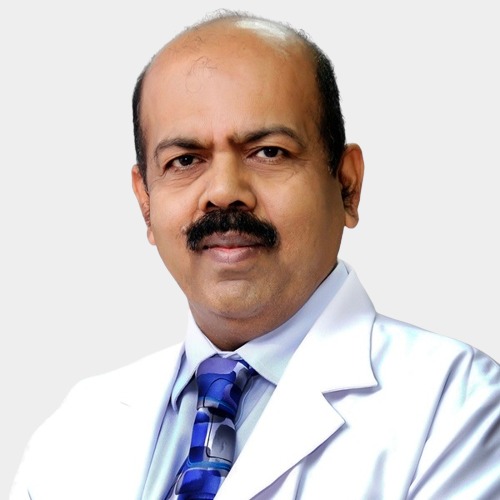
Dr. Prem K Sinha, a former Professor (Col) with international experience in neurology. With MD from AFMC, Pune, and DM from AIIMS, New Delhi, Dr. Sinha holds expertise as an ex-Professor at AFMC, serving as Senior Advisor and Head of the Internal Medicine and Neurology department. His credentials include MRCP in Neurology, and he is a proud member of the Indian Academy of Neurology and the American Academy of Neurology.
He completed MBBS from Nagpur University. in 1976, MD - Medicine from University of Pune in 1986 and DM - Neurology from All India Institute of Medical Sciences, New Delhi in 1996.
Headache is a common medical condition that is characterised by pain or discomfort in the head, scalp, or neck region and is one of the most common symptoms experienced by people.
Migraine is characterized by throbbing pain on one side of the brain. A migraine headache is triggered by a variety of factors, including stress, hormone imbalance, and others.
The feeling that you or your surroundings are spinning is referred to as VERTIGO. If you suffer from Vertigo and need immediate treatment contact our expert Dr. Prem Kumar Sinha.
Tingling in the hands or feet, Sharp/stabbing aches and pains, Sense of tingling in the hands or feet, Heavy feeling in the arms and legs, Buzzing sensation, Skin thinning, Constipation etc.
Numbness or weakness in the extremities, Tingling feeling in one or both limbs, Tremors, Unsteady gait & mobility changes, Neuropathic pain, Incontinence of the bladder & bowel etc.
At any age, anybody may get epilepsy. It may be caused by injury or abnormality of a brain region. The following are the most prevalent symptoms: Staring spells, Diminished alertness, Unusual sensation.
Memory loss, communication difficulties, disorientation, difficulty in concentration, focus, and thinking, mood changes, loss of initiation, misplacement of things, loss of visual perception etc.
Disorientation, Having problems recalling current events yet having an excellent memory for old events, Having trouble recognising persons or items, Speech that is sluggish/confused/repetitious etc.
Movement Disorders: Parkinson’s Disease, Essential Tremor, Dystonia, Multiple system atrophy (MSA), Progressive Supranuclear Palsy (PSP), Abnormalities in balance & posture etc.
Weakness that becomes severe over a few days or less, Numbness in hands and feet? This may be peripheral neuropathy. Book an appointment for correct diagnosis.
Muscle Tiredness, Muscle Fatigue. Immediate loss of feeling in muscles, Difficulty breathing brought on by chest muscle weakness, Inability to stand/walk/sit upright etc.
Ischemic Stroke, Haemorrhagic stroke, Transient ischemic attack (TIA), Aneurysm. Facial paralysis or numbness that causes the face to seem uneven, numbness or paralysis in the upper limbs
A brain tumor is a growth of cells in the brain or near it. General symptoms: Headaches, Seizures, Personality changes, Nausea/vomiting, Sleep problems, Drowsiness, Memory problems etc.
This neurological disorder occurs when a section of the spinal cord is inflamed, causing pain, weakness, sensory problems and dysfunction in the body. Abnormal sensations, Weakness in your arms or legs, Bladder & bowel problems.
Evaluation of epileptic seizures, including differentiation from other disorders which can mimic seizures including syncope and non-epileptic seizures. Syncope and seizures can both cause a loss of consciousness.
Our neurology specialists use EEG testing to diagnose, monitor, and plan treatment for seizures, brain tumors, head injuries, strokes, and other brain conditions. The EEG is used to evaluate several types of brain disorders
Electromyography (EMG) is a diagnostic investigation carried out to evaluate the health and functioning of muscles and the nerves that regulate their activities. The test is used to help detect neuromuscular abnormalities.
An ECG is a commonly performed cardiac test that is used to record and check the electrical activity of the heart. It shows the electrical activity as line tracings on a paper, with spikes and dips called waves.
