Do women who've received the HPV vaccine still need to have Pap tests?
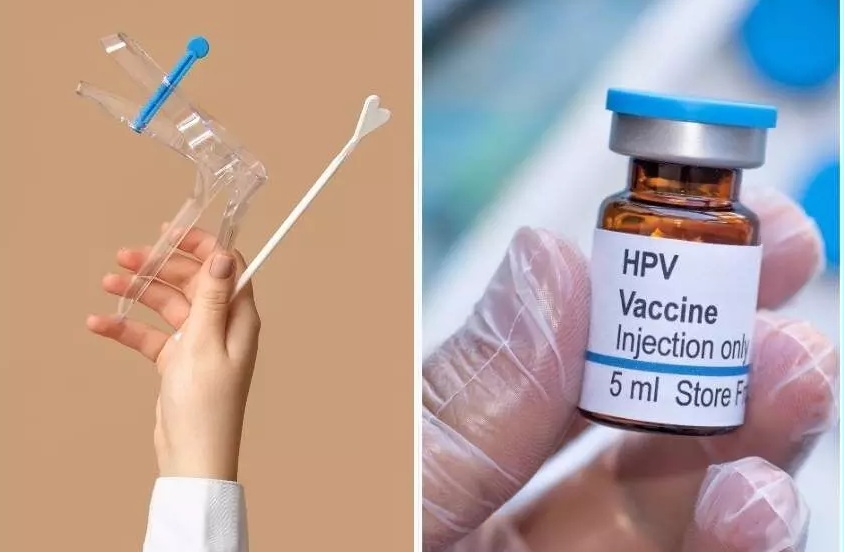


Yes. The HPV vaccine doesn't replace Pap tests. Screening for cervical cancer with regular Pap tests starting at age 21 is an essential part of preventive healthcare.
Get medical attention right away if you notice any symptoms of cervical cancer. Some symptoms are vaginal bleeding after sex, between periods or after menopause; pelvic pain; or pain during sex.
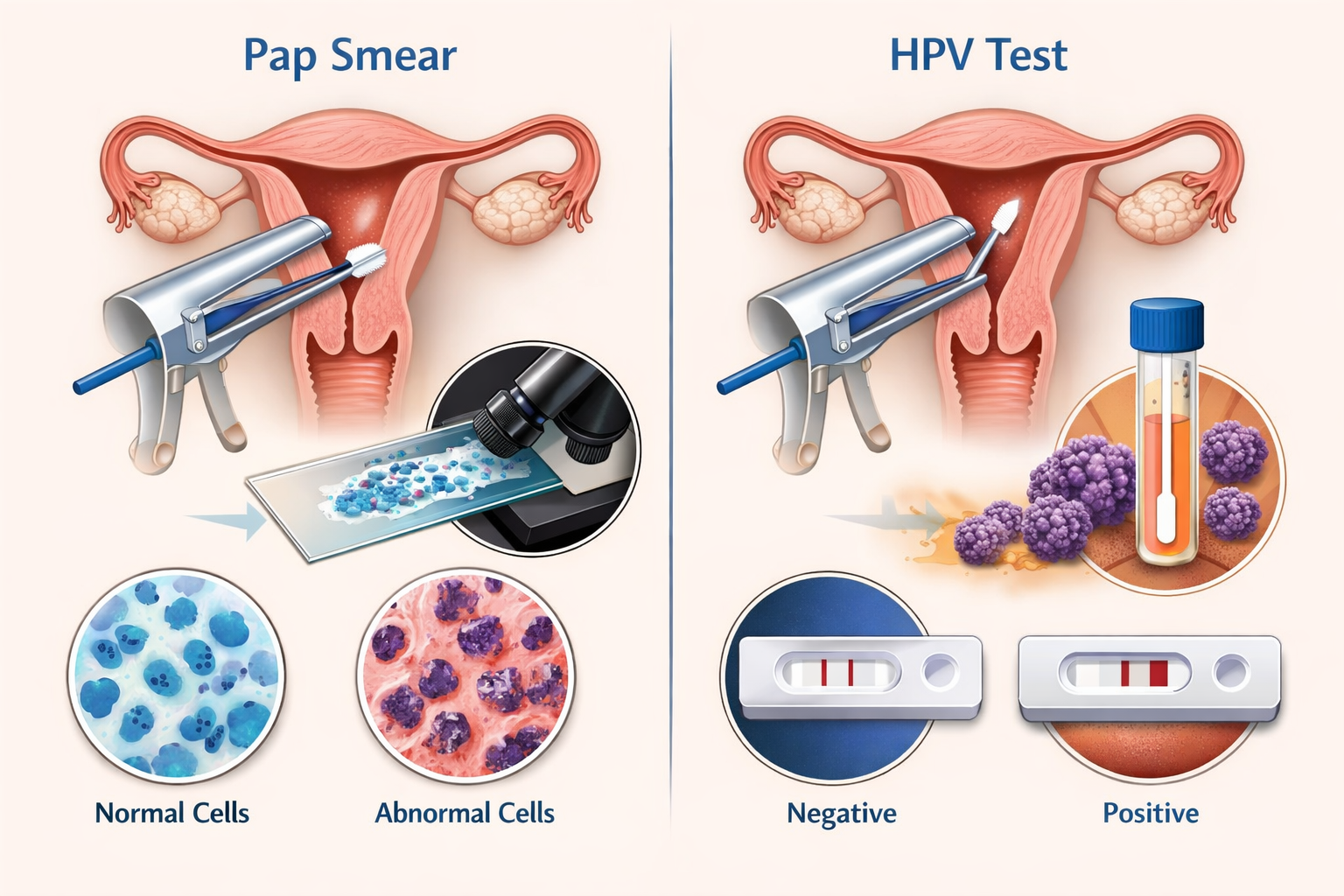
A Pap test is a test your doctor or nurse does to check your cervix for any cells that are not normal. The cervix is the lower part of the uterus (womb), which opens into the vagina. Abnormal cervical cells, if not found and treated, can lead to cervical cancer.
During a Pap test your doctor or nurse puts a speculum (a tool that helps your doctor or nurse see your cervix) into your vagina and uses a special stick or soft brush to collect cells from the outside of your cervix. The cells are sent to a laboratory for testing.
An HPV test looks for DNA from HPV in cells from your cervix. The cervix is the lower part of the uterus (womb), which opens into the vagina. HPV is a sexually transmitted infection (STI) that goes away on its own in most people. If it does not go away, HPV can cause abnormal cervical cells that can lead to cervical cancer.
Certain types of HPV are more likely to cause cervical cancer. The HPV test can tell your doctor if you have HPV and which type it is. During an HPV test, your doctor or nurse puts a speculum (a tool that helps your doctor or nurse see your cervix) into your vagina and uses a soft brush to collect cells from the outside of your cervix. The cells are tested in a laboratory.
The HPV vaccine is a series of injections designed to protect the body from infection with the human papillomavirus (HPV), a very common virus that can be transmitted through skin-to-skin contact, including during sexual activity. HPV infection is one of the main causes of cervical cancer in women. Vaccination significantly reduces the risk of infection from the most dangerous HPV types.
Meanwhile, a Pap smear is a screening test used to detect cervical cancer early. This test involves collecting a sample of cells from the cervix to determine whether there are abnormal cells that may develop into cancer. It can also help detect certain infections and inflammation.
A Pap test (Pap smear) is designed to detect abnormal changes in cervical cells at an early stage—often before cancer develops. Early detection allows for timely treatment, greatly improving outcomes and preventing progression to Cervical cancer.
The frequency of Pap smears may vary for each woman, depending on age, medical history, and previous test results (Pap smear or HPV test). In general, women over the age of 65 may no longer need routine Pap smears if their previous results have consistently been normal.
Here are the general guidelines:
However, in certain conditions, screening may need to be done more frequently or continued beyond age 65, such as:
In conclusion, the Pap smear schedule should be tailored to each individual’s condition. Therefore, it is important to consult a doctor to receive the most appropriate screening recommendations.
If you're in Pune, you can visit(Vaccination available):
Anandmayee Polyclinic, C2/8 Brahma Estate, near Jyoti Hotel, Kondhwa Chowk, Kondhwa, Pune